When it comes to the polygraph test, there are numerous misconceptions and myths that have permeated popular culture. From hastily googled “foolproof” methods to beat the lie detector to urban legends about the accuracy of polygraph tests, it’s easy to fall into the trap of believing common misconceptions.
In this article, we will debunk these myths and shed light on the accuracy of polygraph tests. We will explore how polygraphs work, what they measure, and why they are not foolproof. By understanding the limitations of polygraphs, you can avoid falling victim to false beliefs and misguided advice.
It’s important to emphasize that attempting to “beat” a polygraph is not only unreliable but can also have serious legal consequences. Rather than trying to outsmart the system, it is essential to focus on truthful communication during a polygraph examination.
By separating fact from fiction, this article aims to educate readers on the reality of polygraph accuracy and dispel common misconceptions surrounding this controversial practice. So, let’s dive in and uncover the truth behind the polygraph.
Understanding the purpose of polygraph tests
Polygraph tests, also known as lie detector tests, are commonly used as an investigative tool in various fields, including law enforcement, employment screening, and government agencies. The main purpose of a polygraph test is to measure physiological responses in an individual when they are asked specific questions.
The underlying assumption behind polygraph testing is that when a person lies, there are observable changes in their physiological responses, such as increased heart rate, elevated blood pressure, and changes in respiration. These responses are believed to be indicative of deception.
However, it is essential to note that polygraph tests do not directly measure lies or truthfulness. Instead, they measure physiological responses that are believed to be associated with deception. This distinction is crucial in understanding the limitations and accuracy of polygraph tests.
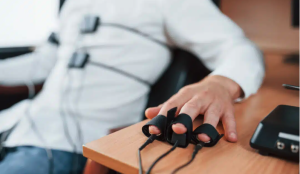
Polygraph tests are conducted by trained polygraph examiners who follow a standardized procedure. The examiner typically attaches sensors to the examinee’s body, which monitor physiological responses such as heart rate, blood pressure, and respiratory activity. The examinee is then asked a series of questions, including control questions, relevant questions, and sometimes irrelevant questions.
Common misconceptions about polygraph accuracy
One of the most common misconceptions about polygraph tests is that they are foolproof and can accurately determine if someone is lying or telling the truth. This belief is fueled by fictional portrayals of polygraphs in movies and television shows, where the accuracy of the test is often portrayed as infallible.
In reality, polygraph tests are not 100% accurate and can produce false-positive or false-negative results. False-positive results occur when an innocent person is wrongly identified as deceptive, while false-negative results occur when a guilty person is wrongly identified as truthful. These errors can be attributed to various factors, including the examinee’s physiological reactions, the examiner’s interpretation of the results, and the limitations of the polygraph itself.
Another misconception is that certain techniques or methods can be used to beat the polygraph and deceive the test. These so-called “countermeasures” include methods like controlled breathing, biting the tongue, or mentally manipulating one’s physiological responses. However, research has shown that these techniques are unreliable and can actually increase the risk of detection.
The science behind polygraph tests
To understand the accuracy of polygraph tests, it is crucial to delve into the science behind them. Polygraph tests are based on the assumption that when a person lies, there will be detectable changes in their physiological responses. These changes are believed to be caused by the activation of the autonomic nervous system, which controls involuntary bodily functions.
During a polygraph test, the examiner measures several physiological responses, including heart rate, blood pressure, respiration, and skin conductivity. These responses are recorded and analyzed to determine if there are any significant changes that may indicate deception.
However, it is important to note that physiological responses can be influenced by factors other than deception. Stress, anxiety, fear, and even physical discomfort can all lead to changes in physiological activity. This means that a person who is telling the truth but is experiencing heightened stress or anxiety may exhibit physiological responses that are similar to those of someone who is lying.
Furthermore, individual differences in physiological responses can also affect the accuracy of polygraph tests. Some individuals naturally have more pronounced physiological reactions, while others may have less noticeable responses. These variations can contribute to false results and highlight the limitations of relying solely on physiological measurements for determining truthfulness.
Debunking myths about how to “beat” the polygraph
As mentioned earlier, there are numerous myths and misconceptions surrounding methods to “beat” the polygraph. These myths often claim that specific techniques or strategies can help an individual deceive the test and appear truthful, even when they are lying.
One common myth is that controlled breathing can manipulate the polygraph results. The idea behind this myth is that by consciously controlling their breathing patterns, an individual can mask any physiological changes that may indicate deception. However, research has shown that skilled polygraph examiners can detect such attempts, and the use of controlled breathing techniques is likely to raise suspicion rather than deceive the test.
Another popular myth suggests that biting the tongue or mentally manipulating one’s physiological responses can help beat the polygraph. However, these methods have been thoroughly debunked by scientific studies. Skilled polygraph examiners are trained to identify signs of deception beyond simple physiological measurements, including inconsistencies in verbal responses and body language.
Factors that can affect polygraph results
Several factors can influence the accuracy of polygraph test results. These factors range from the examinee’s physiological reactions to the examiner’s interpretation of the data.
Firstly, the examinee’s physiological reactions can be influenced by various factors such as anxiety, stress, fear, or even physical discomfort. These factors can lead to changes in heart rate, blood pressure, respiration, and skin conductivity, potentially affecting the accuracy of the test.
Secondly, the examiner’s interpretation of the polygraph results can play a significant role in determining the accuracy of the test. Polygraph examiners undergo extensive training to read and analyze the physiological responses recorded during a test. However, different examiners may have different interpretations, leading to varying results.
Additionally, the wording and framing of the questions during a polygraph test can also impact the accuracy of the results. Ambiguous or poorly constructed questions can lead to confusion or misinterpretation, potentially affecting the validity of the test.
The importance of a skilled polygraph examiner
The accuracy of a polygraph test heavily relies on the skill and expertise of the examiner conducting the test. Skilled polygraph examiners undergo rigorous training to develop the necessary knowledge and skill set required to administer and interpret polygraph tests accurately.
A skilled examiner is not only trained in reading physiological responses but also in assessing verbal cues, body language, and other indicators of deception. They are aware of the limitations and potential pitfalls of polygraph testing and can navigate through them to obtain the most accurate results possible.
It is crucial to ensure that the examiner conducting a polygraph test is certified and follows established procedures and ethical guidelines. A skilled examiner will create a comfortable and non-threatening environment for the examinee, allowing for more accurate readings and reducing the chances of false results.
Alternatives to polygraph tests
Given the limitations and controversies surrounding polygraph tests, alternative methods for determining truthfulness have been explored. One such method is the use of cognitive-based techniques, such as the Concealed Information Test (CIT).
The CIT focuses on detecting the examinee’s knowledge of specific details that only a guilty person would possess. Instead of relying solely on physiological responses, the CIT assesses the examinee’s cognitive processes and response times to identify signs of recognition or familiarity with the relevant information.
While cognitive-based techniques like the CIT have shown promise in research studies, they are not without their limitations. These techniques require careful consideration and validation before being widely adopted as alternatives to polygraph tests.
The ethical implications of polygraph testing
Polygraph testing raises ethical concerns due to its potential for false results and the invasion of privacy it entails. False-positive results can harm innocent individuals by falsely accusing them of deception, potentially ruining their reputation and causing significant distress. False-negative results, on the other hand, can lead to guilty individuals evading detection, jeopardizing the integrity of the investigation or screening process.
Moreover, polygraph tests involve the collection and analysis of sensitive personal information, including physiological responses and potentially confidential details. This raises concerns about privacy and the potential for misuse or mishandling of such information.
It is essential to consider these ethical implications when deciding to use polygraph tests and to ensure that appropriate safeguards are in place to protect the rights and well-being of individuals undergoing testing.
Conclusion: Promoting informed understanding of polygraph accuracy
In conclusion, polygraph accuracy is a complex and controversial topic. While polygraph tests can provide valuable insights when conducted by skilled examiners, they are not foolproof and can produce false results. It is crucial to separate fact from fiction and dispel common myths surrounding polygraph accuracy.
Attempting to “beat” the polygraph is unreliable and can have serious legal consequences. Instead of trying to outsmart the system, individuals should focus on truthful communication during a polygraph examination.
By promoting an informed understanding of polygraph accuracy, we can encourage a more nuanced and responsible approach to the use of polygraph tests. This includes considering alternative methods, recognizing the limitations of polygraph testing, and ensuring that ethical guidelines are followed.
Ultimately, the goal should be to seek truth and justice while respecting the rights and dignity of individuals involved in the polygraph testing process.