
Are you tired of endless arguments and unresolved conflicts? Do you long for a fair and just resolution that puts an end to the uncertainty?
Look no further than polygraph testing. This innovative technique offers a reliable and objective way to determine the truth. By measuring physiological responses such as heart rate, blood pressure, and respiration, polygraph tests can detect deception and provide valuable insights in difficult situations.
At British Polygraph Testing, we understand the importance of finding the truth and resolving conflicts in a fair manner. Our polygraph testing services are designed to ensure accurate results and help restore harmony in your personal or professional life. With our experienced and skilled examiners, you can trust that the process will be conducted with the utmost professionalism and confidentiality.
Whether you are dealing with relationship issues, workplace disputes, or legal matters, polygraph testing can provide the evidence you need to move forward. Say goodbye to uncertainty and welcome a fair solution with polygraph testing. Trust in the power of technology and human expertise to bring clarity to your conflicts.
What is polygraph testing?
Polygraph testing, also known as a lie detector test, is a scientific method used to measure and record physiological responses in individuals when they are asked a series of questions. The test is based on the principle that when a person lies, there are certain physiological changes that occur in their body, such as increased heart rate, blood pressure, and sweating. These changes can be detected and recorded by the polygraph machine, allowing the examiner to determine if the individual is telling the truth or not.
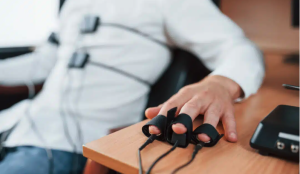
Polygraph testing has been used for many years in various fields, including law enforcement, intelligence agencies, and private investigations. It has gained popularity as a tool for resolving conflicts and determining the truth in personal and professional settings. The test is non-invasive and usually takes about 1-2 hours to complete. The examiner attaches sensors to the individual’s body, which measure their physiological responses throughout the test.
Polygraph testing is based on the assumption that when a person is being deceptive, their body will exhibit physiological responses that can be detected. However, it is important to note that polygraph testing is not foolproof and can be influenced by factors such as anxiety, stress, and certain medical conditions. Therefore, it is crucial to have skilled and experienced examiners who can interpret the results accurately.
The history of polygraph testing
The concept of polygraph testing can be traced back to ancient times, where various methods were used to determine if someone was telling the truth or not. For example, in ancient India, suspects were asked to chew rice and spit it out. If the rice was dry, it was believed that the person was lying.
In modern times, the development of the polygraph machine can be credited to John Augustus Larson, a medical student from California. In 1921, Larson invented the first polygraph machine, which measured changes in blood pressure and respiration. This marked the beginning of modern polygraph testing.
Over the years, polygraph testing has evolved and become more sophisticated. Today, advanced polygraph machines can measure a range of physiological responses, including heart rate, blood pressure, respiration, and even sweat gland activity. The interpretation of the results has also become more accurate, thanks to advancements in technology and research.
How does polygraph testing work?
Polygraph testing works by measuring and recording the physiological responses of an individual when they are asked a series of questions. The test typically consists of three phases: the pre-test, the in-test, and the post-test.
During the pre-test phase, the examiner explains the procedure to the individual and discusses the questions that will be asked. This phase is crucial in order to establish a baseline for the individual’s physiological responses. The examiner may also ask some irrelevant and control questions to further establish the baseline.
Once the pre-test phase is complete, the in-test phase begins. The examiner asks a series of relevant questions that are designed to elicit a response from the individual. These questions are usually related to the issue being investigated or the conflict at hand. The individual’s physiological responses are measured and recorded throughout this phase.
Finally, the post-test phase involves analysing the results and interpreting the data. The examiner compares the individual’s physiological responses during the relevant questions with their baseline responses. If there are significant differences, it may indicate that the individual was being deceptive or withholding information.
It is important to note that polygraph testing is not a standalone method of determining the truth. The results of a polygraph test are considered along with other evidence and information to arrive at a conclusion. The interpretation of the results requires skill and expertise, as there can be various factors that influence the physiological responses.
The reliability of polygraph testing
Polygraph testing has been a subject of debate when it comes to its reliability and accuracy. While polygraph testing can provide valuable insights in certain situations, it is not 100% foolproof and should not be the sole determinant of guilt or innocence.
Numerous studies have been conducted to assess the reliability of polygraph testing. While some studies suggest that polygraph testing is highly accurate, others indicate that it can produce false positives and false negatives. Factors such as the skills and experience of the examiner, the type of questions asked, and the physiological responses of the individual can all impact the reliability of the results.
It is also important to consider the limitations of polygraph testing. The test relies on the assumption that physiological responses can accurately indicate deception. However, there are many factors that can influence these responses, such as anxiety, stress, and medical conditions. Additionally, some individuals may be able to control their physiological responses or learn how to beat the test, making it more difficult to detect deception.
Despite these limitations, polygraph testing can still be a valuable tool in conflict resolution. When used in conjunction with other evidence and information, polygraph testing can provide additional insights and help uncover the truth. It is crucial to have skilled and experienced examiners who can accurately interpret the results and consider all relevant factors.
Benefits of polygraph testing in conflict resolution
Polygraph testing offers several benefits when it comes to conflict resolution. One of the main advantages is its ability to provide objective and scientific evidence. Unlike subjective accounts or testimonies, polygraph testing relies on physiological responses that are difficult to manipulate. This can help bring clarity to conflicts and disputes, and ensure a fair and just resolution.
Polygraph testing can also save time and money in resolving conflicts. In situations where there is limited evidence or conflicting accounts, polygraph testing can provide additional information that can help move the process forward. This can prevent lengthy and costly legal battles or investigations, and help parties reach a resolution more quickly.
Furthermore, polygraph testing can help restore trust and confidence in personal and professional relationships. When conflicts arise, trust can be damaged, and it can be difficult to rebuild. Polygraph testing can provide a way to address the issues at hand and ensure that everyone involved is committed to finding the truth. This can lead to a sense of closure and help restore harmony in relationships.
Limitations of polygraph testing in conflict resolution
While polygraph testing has its benefits, it is important to acknowledge its limitations in conflict resolution. As mentioned earlier, polygraph testing is not 100% accurate and can produce false positives and false negatives. This means that there is a possibility of incorrect results, which can have significant consequences in resolving conflicts.
Another limitation is the reliance on physiological responses, which can be influenced by various factors. Anxiety, stress, and certain medical conditions can all impact the accuracy of the results. Additionally, some individuals may be able to control their physiological responses or learn how to manipulate the test, making it more challenging to detect deception.
Ethical considerations of polygraph testing
Polygraph testing raises ethical considerations that should be carefully considered. One of the main concerns is the invasion of privacy. Polygraph testing requires individuals to disclose personal information and submit to a physical examination. This can be seen as an intrusion into their private lives and may raise concerns about consent and confidentiality.
Another ethical consideration is the potential for misuse or abuse of polygraph testing. In some cases, polygraph testing has been used as a tool for coercion or intimidation. This can lead to false confessions or unjust outcomes. It is crucial to ensure that polygraph testing is conducted in a fair and unbiased manner, with proper safeguards in place to protect the rights of individuals involved.
Alternative conflict resolution methods
While polygraph testing can be a useful tool in conflict resolution, it is not the only method available. There are several alternative approaches that can be considered, depending on the nature of the conflict and the desired outcome.
Mediation is one alternative method that involves a neutral third party facilitating communication and negotiation between the parties involved. This can help parties reach a mutually agreeable solution and preserve relationships. Mediation is often used in family disputes, workplace conflicts, and civil disputes.
Arbitration is another alternative method that involves a neutral third party making a binding decision on the conflict. Unlike mediation, where the parties reach a mutual agreement, arbitration relies on an arbitrator’s decision. This method is often used in commercial disputes and can be more cost-effective and efficient than litigation.
Negotiation is a common conflict resolution method that involves direct communication between the parties involved. Negotiation allows parties to discuss their interests and concerns and work towards a mutually acceptable solution. This method can be used in various contexts, from personal disputes to business negotiations.
Restorative justice is an alternative method that focuses on repairing harm and rebuilding relationships. This approach involves bringing together the victim, the offender, and the community to address the impact of the conflict and find ways to move forward. Restorative justice is often used in criminal cases and can provide a more holistic and healing approach to conflict resolution.
Polygraph testing in legal proceedings
Polygraph testing is not admissible as evidence in most legal proceedings. The reliability and accuracy of polygraph testing have been debated, and there are concerns about its scientific validity. However, polygraph testing can still play a role in legal proceedings in certain situations.
In some jurisdictions, polygraph testing may be allowed as part of a plea agreement or as a condition of parole or probation. In these cases, the results of the polygraph test may not be admissible as evidence, but they can provide additional information that can help inform decisions.
It is important to consult with legal professionals to understand the specific laws and regulations regarding polygraph testing in your jurisdiction. They can provide guidance on how polygraph testing can be used in legal proceedings and what limitations may apply.
Conclusion: Is polygraph testing a fair and just resolution to conflicts?
Polygraph testing can be a valuable tool in conflict resolution, providing objective and scientific insights into the truth. However, it is important to acknowledge the limitations and ethical considerations associated with polygraph testing. It should not be the sole determinant of guilt or innocence, and the results should be considered along with other evidence and information.
In order to ensure the accuracy and reliability of polygraph testing, it is crucial to have skilled and experienced examiners who can interpret the results accurately. Additionally, proper safeguards should be in place to protect the rights and privacy of individuals involved.
Ultimately, whether polygraph testing is considered a fair and just resolution to conflicts will depend on the specific circumstances and the desired outcome. It is important to carefully consider all available options and consult with professionals to determine the most appropriate approach to conflict resolution.