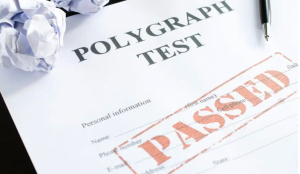
Are you tired of receiving misleading information from job applicants during the hiring process? Polygraph pre-employment screening might be the solution you’ve been searching for. With the increasing competition in the job market, it’s become common for candidates to provide false or incomplete information on their resumes or during interviews. This can lead to costly mistakes for employers, such as hiring unqualified or dishonest individuals.
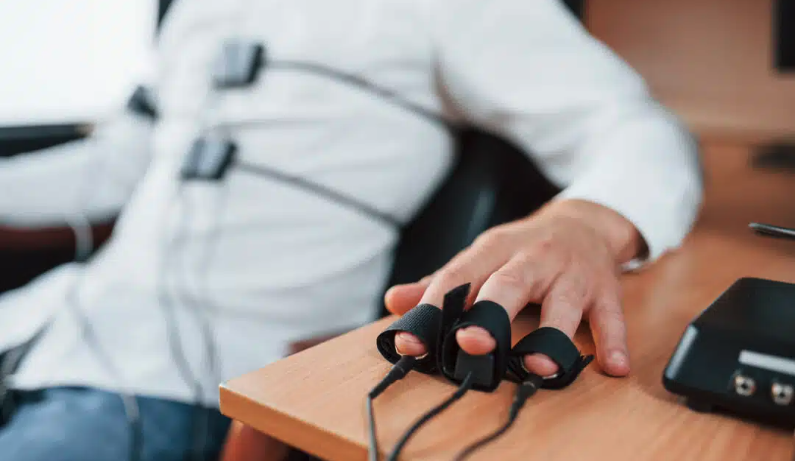
Polygraph pre-employment screening is a highly effective tool that can help businesses make informed decisions when hiring new employees. By measuring indicators like heart rate, blood pressure, and breathing patterns, polygraph tests can detect signs of deception and help identify candidates who are being dishonest.
Incorporating polygraph pre-employment screening into your hiring process can save your company time, money, and resources by ensuring that you select the most trustworthy and qualified candidates to join your team. Say goodbye to the headaches of dealing with false information and make better hiring decisions with polygraph pre-employment screening.
Understanding the Purpose of Polygraph Tests in the Hiring Process
Polygraph tests, also known as lie detector tests, have been used for decades in various fields, including law enforcement and national security. However, their application in the hiring process has gained popularity in recent years. The main purpose of polygraph tests in pre-employment screening is to assess the truthfulness of the information provided by candidates. This can help employers make more informed decisions during the hiring process.
Polygraph tests work by measuring physiological changes in the body that occur when an individual is being deceptive. These changes include increased heart rate, elevated blood pressure, and abnormal breathing patterns. By monitoring these indicators, polygraph examiners can identify potential signs of deception and flag candidates who may not be providing accurate information.
While polygraph tests are not foolproof and should not be the sole factor in making hiring decisions, they can provide valuable insights into a candidate’s credibility. Understanding the purpose and limitations of polygraph tests is essential for employers considering their use in pre-employment screening.
The Legality of Polygraph Testing in Pre-Employment Screening
The legality of using polygraph tests in pre-employment screening varies from country to country and even within different states or regions. In some jurisdictions, polygraph tests are strictly regulated or prohibited altogether, while in others, they are more widely accepted.
In the United Kingdom, for example, the use of polygraph tests in pre-employment screening is generally legal. However, certain guidelines and requirements must be followed to ensure fairness and compliance with the law. Employers must obtain written consent from candidates, provide clear and accurate information about the purpose and process of the test, and ensure that the test is conducted by a qualified and licensed polygraph examiner.
It’s crucial for employers to familiarise themselves with the specific legal requirements and restrictions surrounding polygraph testing in their jurisdiction before implementing it in their hiring process. Failure to comply with the law can result in legal consequences and damage to the company’s reputation.
Common Questions Asked During a Polygraph Test for Pre-Employment Screening
Polygraph tests for pre-employment screening typically involve a series of questions designed to assess the truthfulness of a candidate’s responses. These questions can cover a wide range of topics, including personal history, criminal record, drug use, and employment history.
The specific questions asked during a polygraph test may vary depending on the nature of the job and the employer’s requirements. However, some common questions include:
- Have you provided false or misleading information on your resume or job application?
- Have you been involved in any criminal activity that has not been disclosed?
- Have you used illegal drugs within the past [specified time frame]?
- Have you ever been terminated from a job for dishonesty or misconduct?
- Have you ever provided false information during a previous polygraph test?
It’s important for employers to work closely with polygraph examiners to develop a set of questions that are relevant to the job and aligned with the company’s values and requirements. This ensures that the polygraph test provides meaningful insights into a candidate’s suitability for the position.
The Importance of Honesty During the Hiring Process
Honesty is a fundamental trait that employers value in their employees. When candidates provide false or incomplete information during the hiring process, it can have serious consequences for both the employer and the candidate.
For employers, hiring individuals who are dishonest can lead to a host of problems. It can undermine the integrity of the company, damage its reputation, and create a toxic work environment. Furthermore, hiring unqualified individuals based on false information can result in decreased productivity, increased training costs, and even legal issues down the line.
On the other hand, candidates who provide false information may face severe consequences if their deception is discovered. They may not only lose the job opportunity but also damage their professional reputation, making it harder for them to secure future employment.
Employers should emphasize the importance of honesty and integrity throughout the hiring process. By setting clear expectations from the beginning and conducting thorough background checks, employers can send a strong message that dishonesty will not be tolerated.
Consequences of Providing False or Incomplete Information During the Hiring Process
Providing false or incomplete information during the hiring process can have serious consequences for candidates. When discovered, it can result in immediate disqualification from consideration for the job. In some cases, it may even lead to legal action or damage to the candidate’s professional reputation.
Employers have various tools and resources at their disposal to verify the information provided by candidates. Background checks, reference checks, and employment verification are just a few examples. Additionally, the use of polygraph tests in pre-employment screening can further enhance the accuracy of information obtained from candidates.
It’s important for candidates to understand that honesty is the best policy during the hiring process. Being truthful and transparent about their qualifications, experience, and background not only increases their chances of securing the job but also demonstrates their integrity and professionalism to potential employers.
Strategies for Handling Sensitive Information During a Polygraph Test
Polygraph tests can delve into sensitive and personal topics, which can make candidates feel uncomfortable or anxious. It’s essential for employers to handle these situations with sensitivity and respect to ensure a positive and fair testing experience.
First and foremost, employers should clearly communicate the purpose and process of the polygraph test to candidates. This includes explaining the types of questions that will be asked and assuring candidates that their privacy and confidentiality will be respected.
During the test, polygraph examiners should create a calm and supportive environment to help candidates feel at ease. They should answer any questions or concerns the candidate may have and provide clear instructions on how to respond to the questions.
It’s also crucial for employers to ensure that polygraph examiners adhere to professional standards and ethical guidelines. This includes maintaining objectivity, avoiding bias, and treating all candidates fairly and equally throughout the testing process.
Tips for Preparing for a Polygraph Pre-Employment Screening
If your company has decided to implement polygraph pre-employment screening, it’s essential for candidates to be prepared for the test. Here are some tips to help candidates navigate the process:
Familiarize yourself with the purpose and process of polygraph testing. Understand what to expect and how to respond to the questions.
- Get a good night’s sleep before the test to ensure you’re well-rested and focused.
- Stay calm and relaxed during the test. Practice deep breathing techniques to help manage any anxiety or nervousness.
- Listen carefully to each question and answer truthfully. Avoid overthinking or second-guessing your responses.
- If you’re unsure about a question or don’t remember specific details, be honest and ask for clarification.
By following these tips, candidates can approach the polygraph pre-employment screening with confidence and increase their chances of success.
Alternatives to Polygraph Testing in Pre-Employment Screening
While polygraph testing can be an effective tool for identifying deception, it’s not the only method available to employers for pre-employment screening. Depending on the nature of the job and the requirements of the company, there are several alternative approaches that can be considered.
One popular alternative is behavioral interviewing, which focuses on assessing a candidate’s past behavior and how it aligns with the job requirements. This approach involves asking candidates to provide specific examples of how they have handled certain situations in the past, allowing employers to gauge their abilities and suitability for the role.
Another alternative is the use of psychometric assessments, which measure a candidate’s cognitive abilities, personality traits, and other relevant characteristics. These assessments can provide valuable insights into a candidate’s potential performance and suitability for the position.
Ultimately, the choice of pre-employment screening method will depend on the specific needs and preferences of the employer. It’s important to carefully consider the pros and cons of each approach and select the one that aligns best with the company’s goals and values.
Conclusion
The Importance of Integrity in the Hiring Process
In today’s competitive job market, employers cannot afford to overlook the importance of integrity in the hiring process. The consequences of hiring dishonest or unqualified individuals can be detrimental to the success and reputation of the company. That’s why incorporating tools like polygraph pre-employment screening can be a valuable addition to the hiring process.
Polygraph tests provide employers with insights into a candidate’s truthfulness and help identify potential red flags. However, it’s crucial to understand the purpose, legality, and limitations of polygraph testing, as well as consider alternative screening methods.
By emphasising the importance of honesty, conducting thorough background checks, and implementing appropriate screening measures, employers can ensure that they select the most qualified and trustworthy candidates for their organisations. Integrity should always be at the forefront of the hiring process, and polygraph pre-employment screening can help employers achieve this goal.