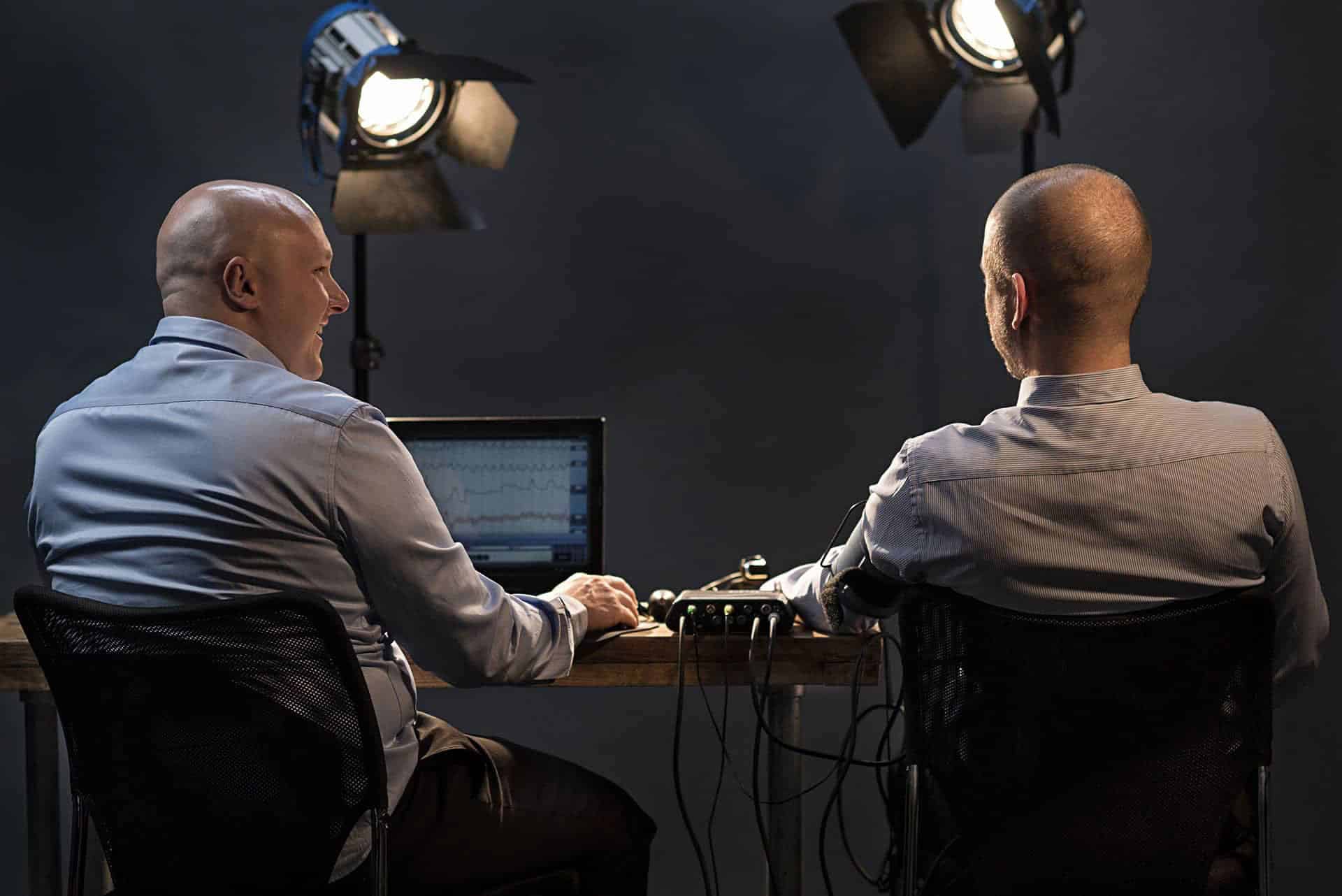
A polygraph test, also known as a lie detector test, is the psychophysiological detection of deception. This means that the mind controls the body, and when a person tells a lie, the unconscious part of their mind affects their body in ways that are extremely difficult to consciously control. It is these involuntary physical changes that the polygraph monitors and records.
The polygraph’s meaning is simpler than it sounds. Poly means many in Greek and graph means chart, so quite literally, a polygraph test produces many charts. A trained polygraph examiner of good standing, such as a full member of the British Polygraph Association, then uses these charts to determine whether or not any deception has taken place.
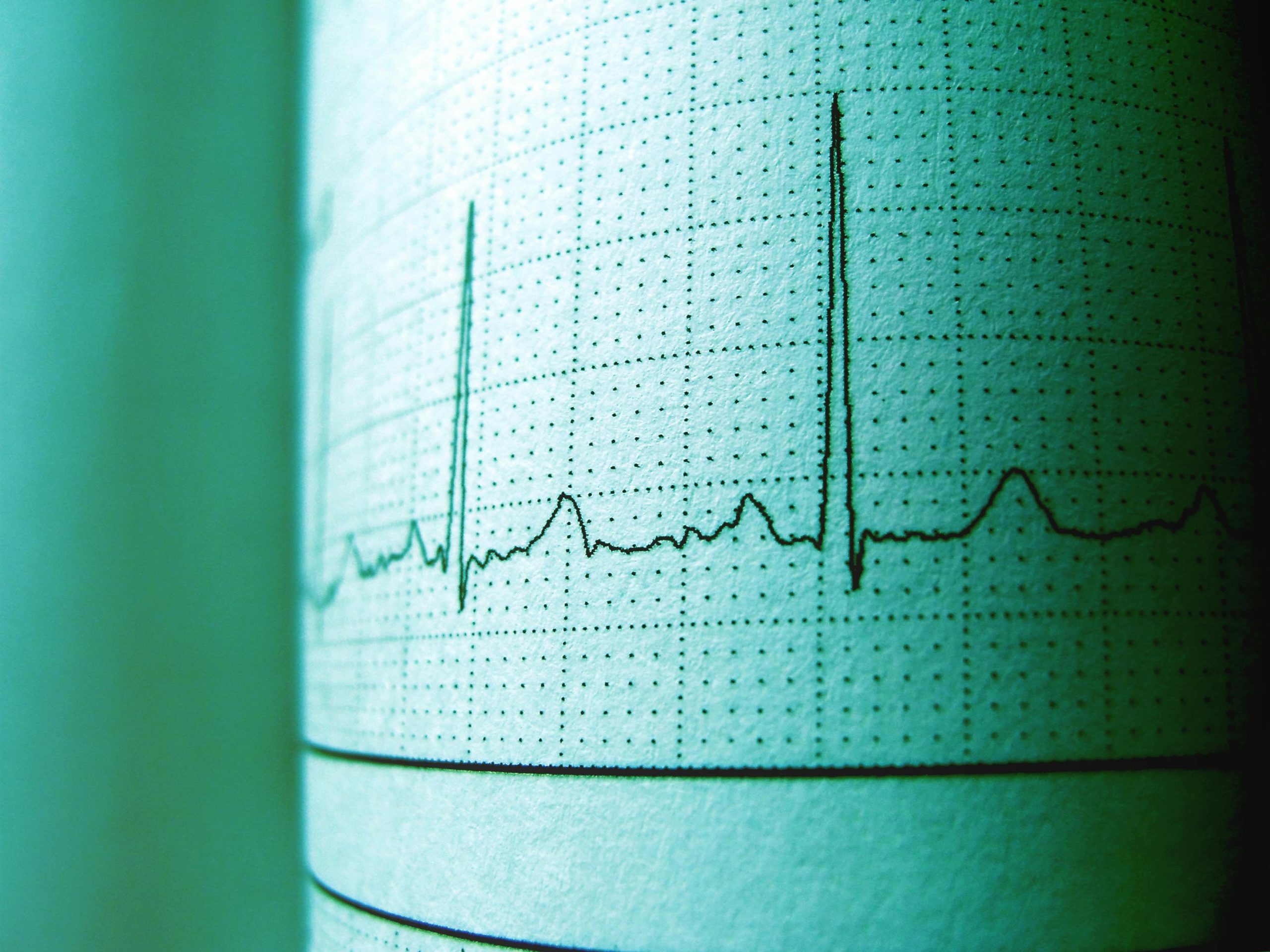
Each chart is an exact representation of what each sensor is monitoring at any given moment during the examination. A polygraph examination usually lasts between two and four hours and consists of a pre-test interview, the data collection phase, the analysis of the data, and a post-test review.
How Does a Polygraph Test Work? The Sensors Explained
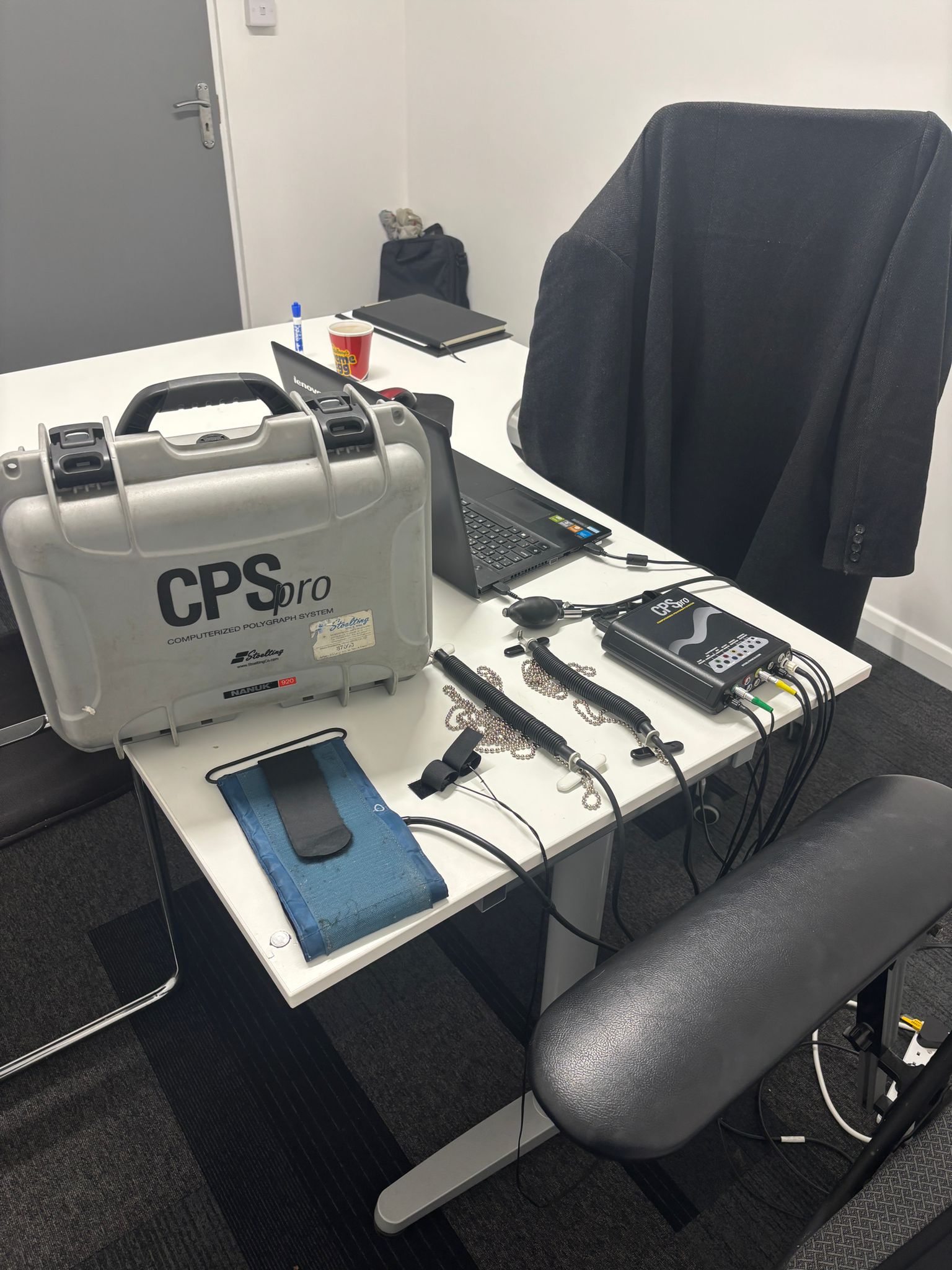
Each sensor used during a lie detector test produces its own individual chart, giving Paul a precise and real time picture of the examinee’s physiological responses throughout the examination. Here is what each sensor monitors:
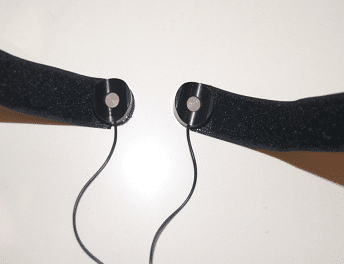
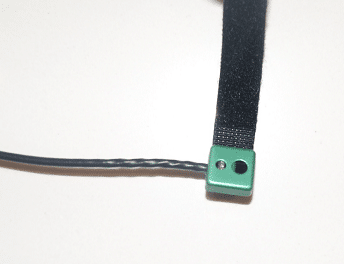
The Galvanic Skin Response measures changes in the examinee’s sweat glands. It is measured using two finger cuffs placed around the examinee’s index and ring fingers. Changes in sweat gland activity are one of the most reliable physiological indicators of deception.
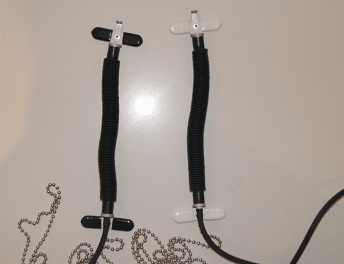
The Pneumograph measures the examinee’s respiration and movement. It is monitored using two tubes placed around the examinee’s upper torso and around their abdomen, recording changes in breathing patterns throughout the polygraph examination.
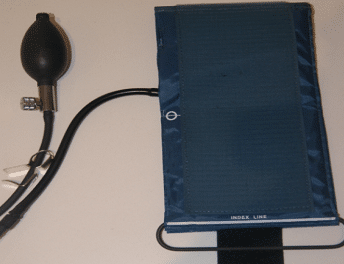
The Cardiosphygmograph, more commonly known as a blood pressure cuff, measures changes in the examinee’s heart rate and blood pressure. It is almost identical to the blood pressure cuff a doctor would use and is completely non-invasive.
The Plethysmograph is a sensor connected to either a finger or thumb. It measures changes in blood density in the examinee’s extremities, providing another reliable indicator of the physiological changes associated with deception.
The Pre-Test Interview
The pre-test interview is where we spend the majority of our time. Paul will discuss the issue at hand with you, explain briefly how the polygraph test works, and walk through each of the components of the equipment. All necessary paperwork will be completed at this stage, and the questions to be asked during the examination will be reviewed thoroughly and in full.
At no point will an examinee be asked a question that has not been fully reviewed with them in advance. Each question is structured so that only a simple yes or no answer can be given, and all questions are reviewed until there is absolute clarity between the examinee and the examiner about exactly what each question means.
All polygraph examinations at British Polygraph Testing include audio and visual recordings. This is to ensure that both parties conduct themselves in a professional manner, and the recordings may also be used for quality control and training purposes.
A polygraph test can be used to resolve a wide range of personal and professional disputes. At British Polygraph Testing we carry out lie detector test examinations covering infidelity and relationship disputes, fraud and financial theft, workplace theft and employee investigations, false accusations and proving innocence, and sexual abuse allegations.
Paul’s expertise has been acknowledged across national media. He has appeared on television, including a show filmed in Helsinki, and has been interviewed on some of the UK’s most listened-to radio stations, including Kiss FM, Capital FM, and BBC Worldwide Radio. These appearances reflect a reputation built on consistent, reliable, and professional work over many years.
Daisy Ridley Grills James Corden While He’s Hooked To A Lie Detector
Liam Payne Puts A 1D Fan Through A Lie Detector Test
Frequently Asked Questions About Polygraph Tests
Still have questions? Get in touch with our team for further insight or visit our FAQs page.
What is a polygraph test and is it the same as a lie detector test?
Yes. A polygraph test and a lie detector test are the same thing. The term lie detector test is the more commonly used everyday phrase, while polygraph test is the correct technical term used by accredited examiners and professional bodies. At British Polygraph Testing we use both terms interchangeably.
What does polygraph mean?
The polygraph meaning comes from the Greek language. Poly means many and graph means chart. A polygraph test therefore produces many charts, each representing a different physiological response monitored during the examination.
How accurate is a polygraph test?
A professionally administered polygraph test is accurate to up to 98% when carried out by a qualified examiner using the latest computerised equipment and internationally recognised techniques. When combined with our EyeDetect technology accuracy can reach 99%.
How long does a polygraph test take?
A full polygraph examination typically takes between two and four hours including the pre-test interview, data collection, and post-test review. An EyeDetect test as a standalone can be completed in as little as 30 minutes.
Will I know what questions are going to be asked?
Yes, absolutely. Every question asked during a polygraph examination at British Polygraph Testing is agreed and reviewed in full with the examinee before the test begins. Nothing is asked without your complete knowledge and consent.